Why Springfield's Older Homes Need Modern Insulation Solutions
Historic homes near Springfield's downtown and Capitol district have undeniable charm, but many were built when insulation standards were far different from today. Homes constructed in the early to mid-1900s often feature minimal or deteriorated insulation, drafty windows, and air leaks that drive up heating and cooling costs year-round. If you own one of these beautiful older properties, you've likely noticed higher utility bills and inconsistent indoor temperatures, especially during Illinois winters.
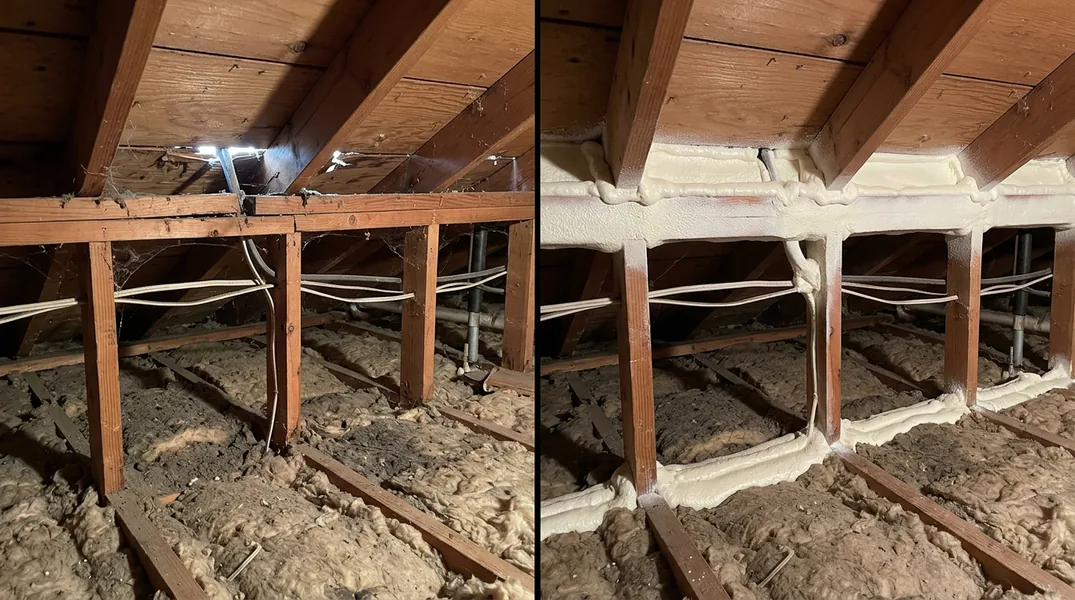
The good news is that modern insulation technology offers solutions that respect your home's character while dramatically improving energy efficiency. Attic Spray Foam Insulation has become a popular choice for homeowners in Springfield seeking to upgrade their homes without major renovations. Unlike traditional fiberglass batts, spray foam adheres to irregular surfaces, fills gaps, and creates an air-tight seal that older homes desperately need. However, before you decide to invest in this upgrade, it's important to understand both the benefits and potential concerns.
Is Spray Foam Insulation Worth It for Your Home?
The short answer: yes, spray foam insulation can be worth the investment, but it depends on your specific situation. For homeowners with older attics, significant air leakage, or consistently high energy bills, the return on investment can be substantial. Spray foam provides superior air sealing compared to traditional insulation methods, which means your HVAC system works less hard to maintain comfortable temperatures. Many homeowners report energy savings of 15 to 30 percent after upgrading to spray foam, which can offset the initial cost within 5 to 7 years.
Beyond energy savings, spray foam adds structural integrity to your attic and helps prevent moisture infiltration, which is particularly valuable in older homes where water damage is a common problem. The material expands to fill every nook and cranny, eliminating the thermal bridging that occurs with traditional insulation. However, the upfront pricing is higher than fiberglass or cellulose alternatives, so you'll want to evaluate your home's condition and your long-term plans. If you're planning to stay in your home for several years and want maximum comfort and efficiency, spray foam is typically worth the investment.
Is Spray Foam Insulation Safe? Understanding the Facts
Safety is a legitimate concern when considering any home improvement project, and spray foam insulation deserves careful consideration. The short answer is that properly installed spray foam is safe for homeowners and their families. However, the installation process itself requires professional expertise to ensure safety and performance. During application, installers use protective equipment and follow strict safety protocols to prevent skin contact with uncured foam and to manage fumes in the work area. Once fully cured (which typically takes 24 to 48 hours), spray foam poses no inherent danger to occupants.
The key to safety is working with certified, experienced installers who understand building codes and ventilation requirements. Springfield Spray Foam Insulation employs trained professionals who follow industry best practices and manufacturer guidelines. They ensure proper application thickness, adequate attic ventilation, and compliance with local building codes. When installed correctly, spray foam actually enhances home safety by reducing air leakage that can lead to moisture problems, mold growth, and structural damage. The material itself is inert once cured and does not emit harmful substances during normal use in your home.
Spray Foam Off Gassing: What You Need to Know
Off gassing is one of the most commonly cited concerns about spray foam insulation, and it's worth understanding clearly. Off gassing refers to the release of volatile organic compounds (VOCs) that can occur during and immediately after spray foam installation. Most of this off gassing happens within the first 24 to 48 hours after application, which is why professional installers recommend ventilating your home thoroughly during this period and avoiding the attic during curing. The smell associated with spray foam installation is typically strongest on the first day and diminishes significantly over the following days.
It's important to distinguish between off gassing during the curing process and long-term emissions from fully cured foam. Once spray foam has fully cured, it becomes a stable, inert material that does not continue to emit significant VOCs. Modern spray foam formulations, particularly those used by professional installers in Springfield, are manufactured to minimize VOC content and comply with environmental regulations. If you have concerns about off gassing, discuss ventilation strategies with your installer and consider scheduling installation during a time when you can keep your home well-ventilated. Professional installers like Springfield Spray Foam Insulation can advise you on best practices to minimize any discomfort during the curing period.
Spray Foam Insulation Pros and Cons: A Balanced Comparison
Understanding the full picture of spray foam insulation means weighing both advantages and disadvantages. The primary pros include superior air sealing (preventing air leaks that account for significant energy loss), excellent R-value per inch of thickness, moisture resistance, and long-term durability. Spray foam doesn't settle or compress over time like traditional insulation, so you maintain consistent performance for decades. It also provides sound dampening benefits and can help reduce outside noise infiltration, which is particularly valuable for homes near busy streets in downtown Springfield.
The cons warrant honest consideration as well. Higher initial cost is the most obvious drawback, though this must be weighed against long-term energy savings. Some homeowners express concerns about off gassing during installation, though proper ventilation and professional installation minimize this issue. If you ever need to access wiring or plumbing in your attic, spray foam can make modifications more difficult compared to traditional insulation. Additionally, spray foam installation requires professional expertise, so you cannot DIY this project. Some people also have concerns about the environmental impact of foam insulation, though closed-cell varieties are increasingly manufactured with more environmentally friendly blowing agents. When evaluating whether spray foam is right for your home, consider your specific needs, budget, and timeline.
Choosing Between Open Cell and Closed Cell Spray Foam
If you've decided that spray foam insulation makes sense for your older home, your next decision involves choosing between Open Cell Spray Foam Insulation and Closed Cell Spray Foam Insulation. Open cell foam is lighter, more affordable, and slightly better at sound dampening. It has a lower R-value per inch (approximately 3.5 to 3.6), so you need greater thickness to achieve the same insulation value as closed cell. Open cell foam is also more permeable to moisture, which means it allows some water vapor to pass through, making it suitable for certain applications where vapor permeability is desirable.
Closed cell spray foam is denser, more rigid, and provides superior R-value per inch (approximately 6 to 7), meaning you achieve better insulation with less material. It offers excellent moisture resistance and structural reinforcement, making it ideal for attics in older homes that may have experienced water infiltration or settling. Closed cell foam is more expensive than open cell but provides better long-term value in many applications. For most attic insulation projects in older Springfield homes, closed cell spray foam is the preferred choice because it offers superior moisture protection, better air sealing, and greater durability. Your professional installer can assess your specific attic conditions and recommend the best option for your situation.
Getting Started with Attic Spray Foam Insulation Near Me
If you're ready to explore whether spray foam insulation is right for your Springfield home, the first step is scheduling a professional evaluation. Springfield Spray Foam Insulation offers free assessments where our team inspects your attic, identifies air leaks and insulation deficiencies, and discusses your options. During this consultation, we can explain the specific benefits for your home's age, construction, and condition. We'll also address any concerns you have about safety, off gassing, or performance, and provide honest guidance about whether spray foam is the right solution or whether alternative insulation methods might better suit your needs.
Our team serves Springfield and surrounding areas with professional installation, competitive pricing, and a commitment to quality workmanship. We understand the unique challenges of insulating older homes and have the expertise to deliver solutions that respect your home's character while dramatically improving comfort and efficiency. Don't let another winter pass with high heating bills and cold drafts. Contact Springfield Spray Foam Insulation today at (217) 441-9079 or visit our website to request your free estimate. Our team is ready to help you make an informed decision about spray foam insulation and transform your home's energy performance.
Looking for a professional spray foam insulation contractor in Springfield? Springfield Spray Foam Insulation responds fast for all your spray foam insulation needs.
Get a Free Quote